
NCCC Celebrates 20 Years of the HPV Vaccine

NCCC Chapter leaders

It is difficult to fully capture what it means to the advocates and leaders of the National Cervical Cancer Coalition (NCCC) to mark the 20th anniversary of the HPV vaccine this year. For many, this milestone is deeply personal. It represents a vaccine that could have saved the lives of mothers, daughters, sisters, friends, and countless others whose lives were forever changed by HPV-related cancers. It is a vaccine that might have changed the journeys of survivors, and one that offers today’s generation a powerful opportunity for prevention and protection.

This anniversary is more than a moment in time; it is a reminder of what is possible when science, education, advocacy, and prevention come together. It reminds us that a future free from cervical cancer is no longer just a vision; it is within reach.

Over the past two decades, the HPV vaccine has evolved from a scientific breakthrough into one of the most important cancer-prevention tools available. Today, it has the potential to prevent approximately 90% of HPV-related cancers. With more than 135 million doses administered worldwide, data continues to demonstrate the life-saving impact of vaccination, including significant reductions in cervical cancer rates and deaths among young women.

Yet, thousands of people continue to be diagnosed with HPV-related cancers each year, reminding us that our work is far from finished.

Across the country, NCCC leaders and advocates serve as educators, mentors, and trusted voices within their communities. They share their stories with courage and purpose, help families make informed decisions, combat misinformation, and ensure that accurate, life-saving information reaches those who need it most.

As we celebrate this 20-year milestone, we honor the progress that made it possible and recommit ourselves to the work ahead. At NCCC, we remain hopeful, determined, and united in our mission to encourage vaccination, expand access to screening, and keep sexual health and empowerment at the forefront of every conversation.

Together, we are turning awareness into action, action into prevention, and prevention into a future where cervical cancer becomes increasingly rare—and ultimately, a disease of the past.

June 2006
The First Vaccine Recommended for Girls and Young Women
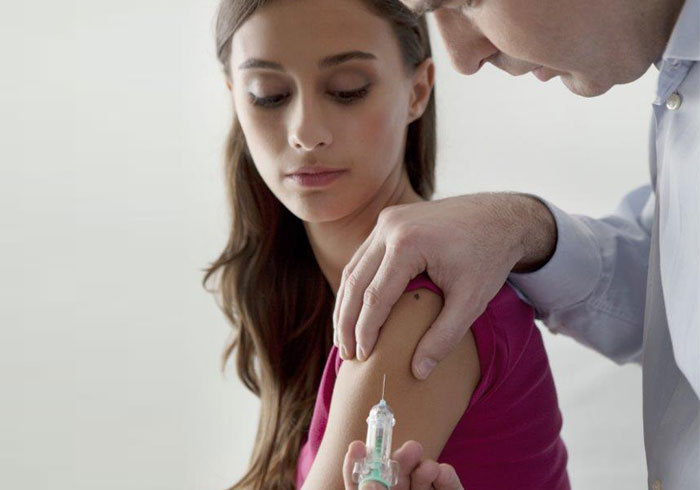
A young patient gets vaccinated

Gardasil 4 was the first vaccine released in the U.S. It protected against four types of HPV —6, 11, 16, and 18. Clinical trials showed that the vaccine provided nearly 100% protection against types 16 and 18, the HPV types associated with the majority of cervical cancer cases. It was also shown to be about 99% effective at preventing infection with the low-risk types 6 and 11 that cause genital warts. It was approved for use in girls and young women ages 9-26 in the US.
2009
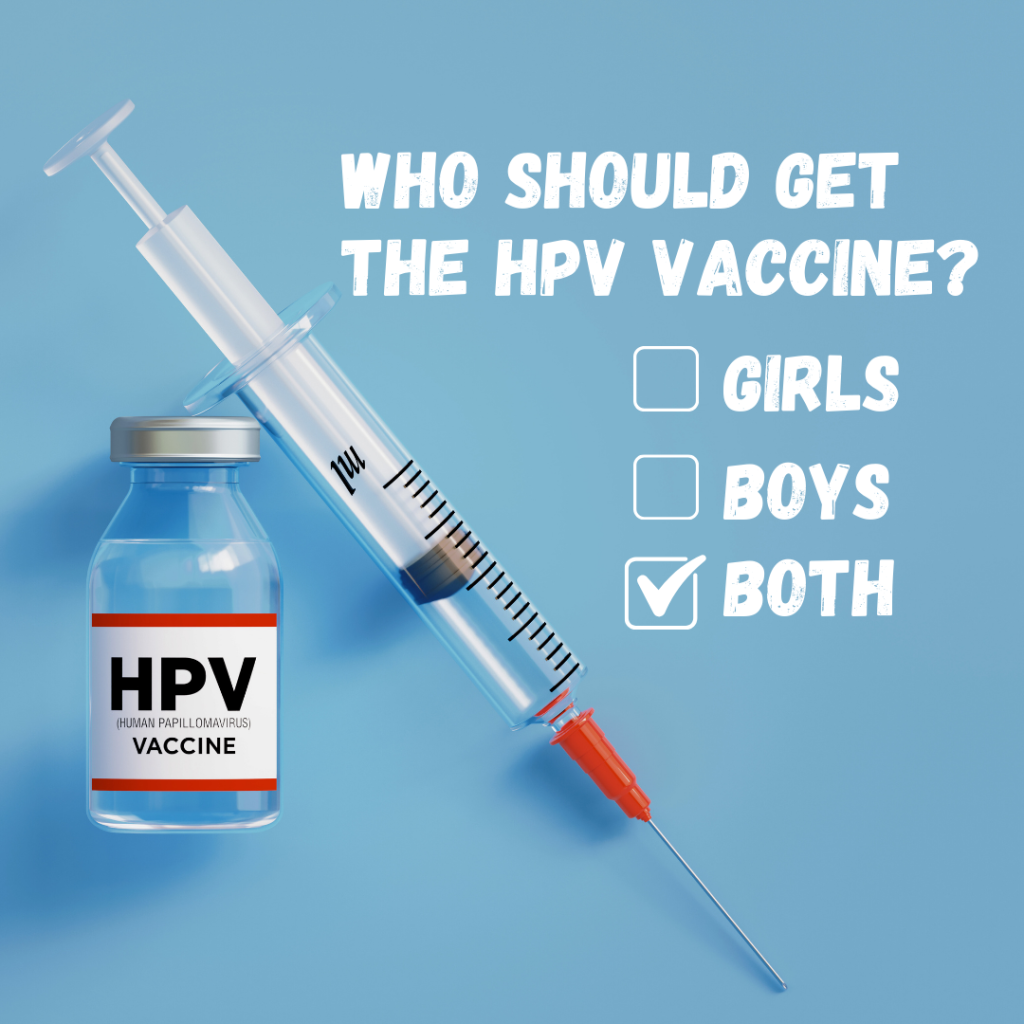
A New Vaccine and Approval for Males

A second vaccine called Cervarix was introduced. It protects against only two type of HPV—16 and 19—and was only approved for use in females to prevent cervical cancer. Cervarix is no longer available in the U.S. but continues to be used in other countries. In this same year, Gardasil was approved for use in boys and young men ages 9-26 to prevent genital warts.
2014
A New Vaccine with Broader Protection
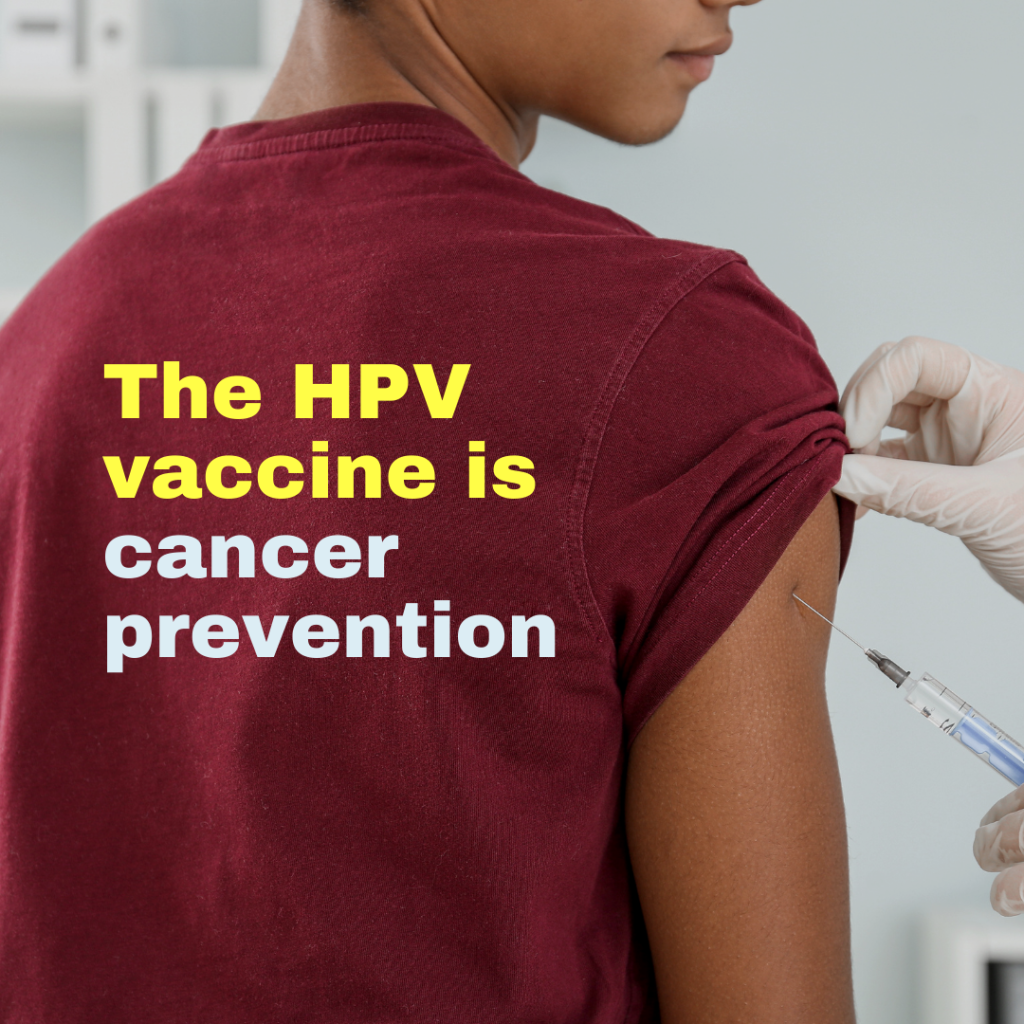
The HPV vaccine is cancer prevention

Gardasil 9, a vaccine that protects against 9 types of HPV, is released. The vaccine protects against the four HPV types in the original vaccine plus five more high-risk types (31, 33, 45, 52, and 58) that are linked to cancer, including anal, vaginal, and vulvar cancer. Scientists estimate that widespread use of this vaccine could prevent 90% of cervical cancer in the U.S.

2016
Fewer Doses Recommended

The Centers for Disease Control and Prevention (CDC) changed its recommendation on the number of doses needed. Previously, three doses were recommended for full protection. The CDC recognized that early vaccination results in a stronger immune response and state that young people who got the vaccinate at or before age 14 would only need two doses of the vaccine. Cervarix was also discontinued in the U.S. this year, but continues to be offered in other countries.

2018
Vaccine Available to Older Adults
Adult woman receiving vaccine

The U.S. Food and Drug Administration approved expanded use of the vaccine in females and males 27-45 years old.
2020
Vaccine Approved for Prevention of Other HPV-Related Cancer

While originally only approved by the FDA for cervical cancer prevention, the FDA expanded its approve of Gardasil 9 to include prevention of vaginal, vulvar, anal, oropharyngeal, and other head and neck cancers.
2026
Continued Progress Needed

We can eliminate cervical cancer with widespread early vaccination! NCCC will continue to educate and advocate for HPV vaccination and cancer prevention.