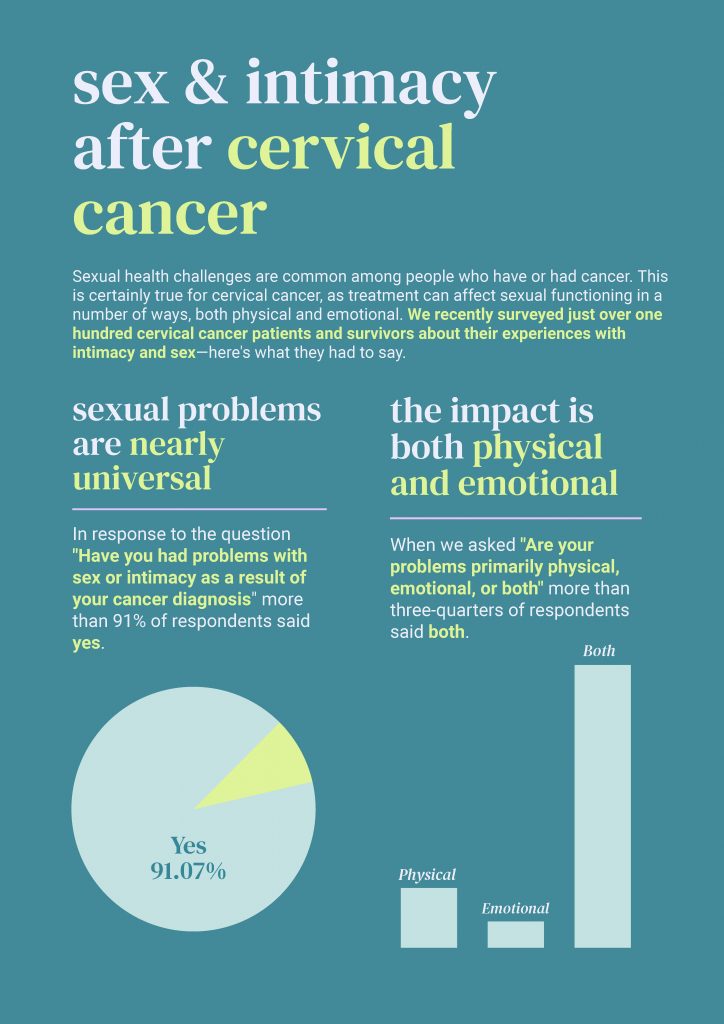
Sexual health challenges are common among people who have or had cancer. This is certainly true for cervical cancer, as treatment can affect sexual functioning in a number of ways, both physical and emotional.
It is understandable that for anyone dealing with cancer, the disease may take center stage. But it’s important to address sexual changes related to cancer as well. Sexual health is an important part of overall health and well-being.
We surveyed just over one hundred cervical cancer patients and survivors about their experiences with intimacy and sex. Nearly all of them agreed that cancer has had an impact on their intimate relationships—and the problems are both physical and emotional. The disruption can be significant. As one survey respondent commented, “This has had a massive impact. We are sexual beings and that loss is hard to accept.”
Treatment for cervical cancer can bring about physical changes that in turn can make sex uncomfortable and less pleasurable. While there are ways to manage these physical changes, it helps to know what to expect.
Treatment can also cause changes in self esteem and body image, and this can impact your sex drive. It cause difficulties in becoming aroused or achieving orgasm.
Some types of problems that arise from treatment are easier to manage than others, but there are options to help address the physical challenges.
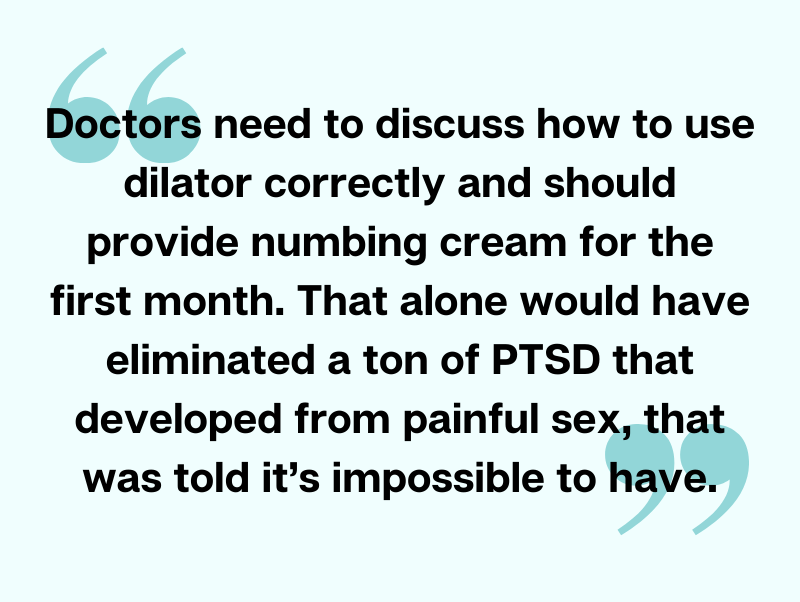
To help alleviate the symptoms of vaginal stenosis, women can use dilators—tubes made or plastic, rubber or silicone—to stretch the walls of the vagina and break down scar tissues. Kegel exercises can also help improve flexibility and strength. There are different options to treat vaginal dryness, including lubricants and vaginal moisturizers. Estrogen therapy may be appropriate for some women as well.
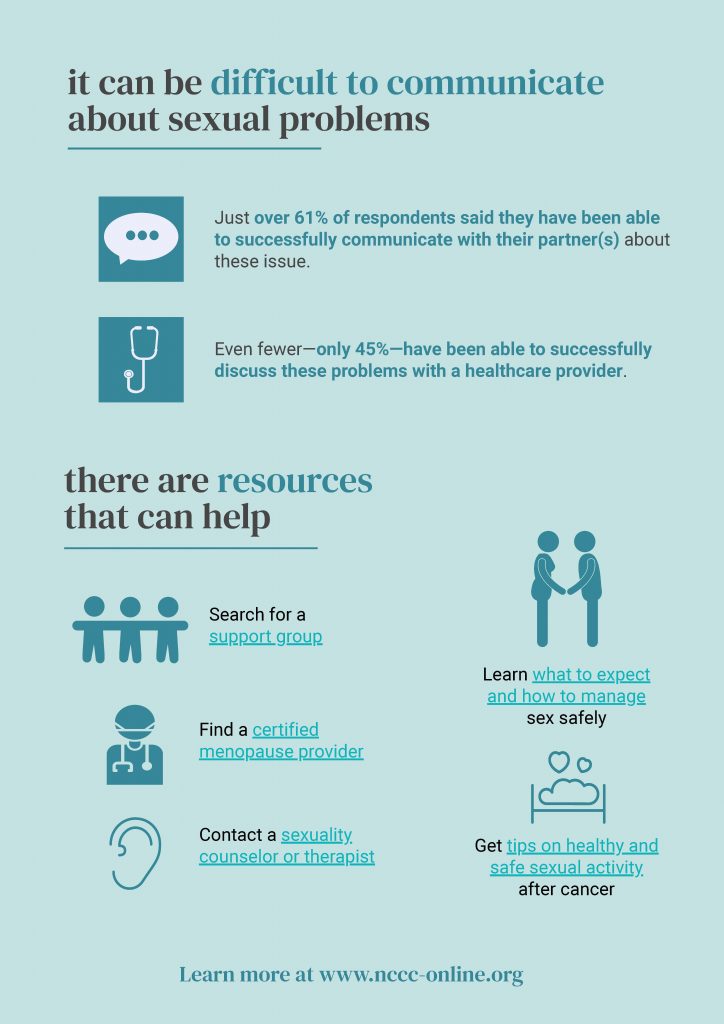
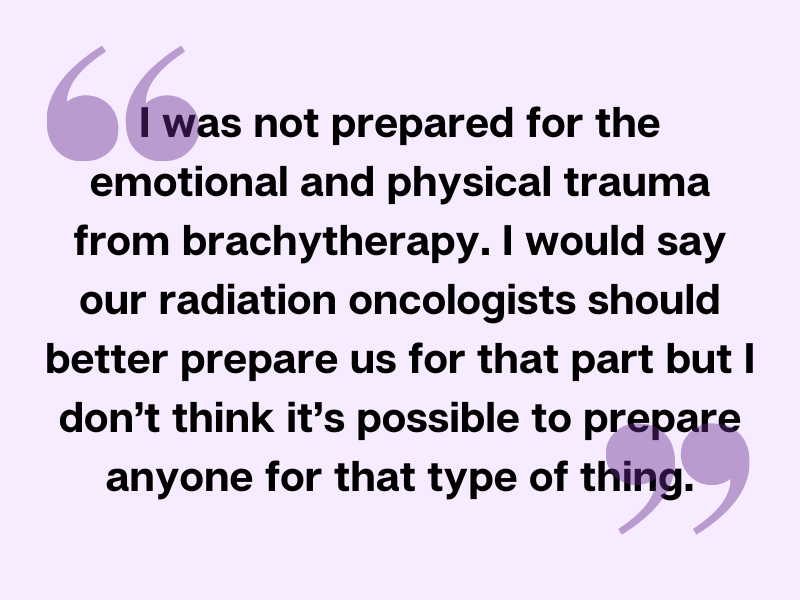
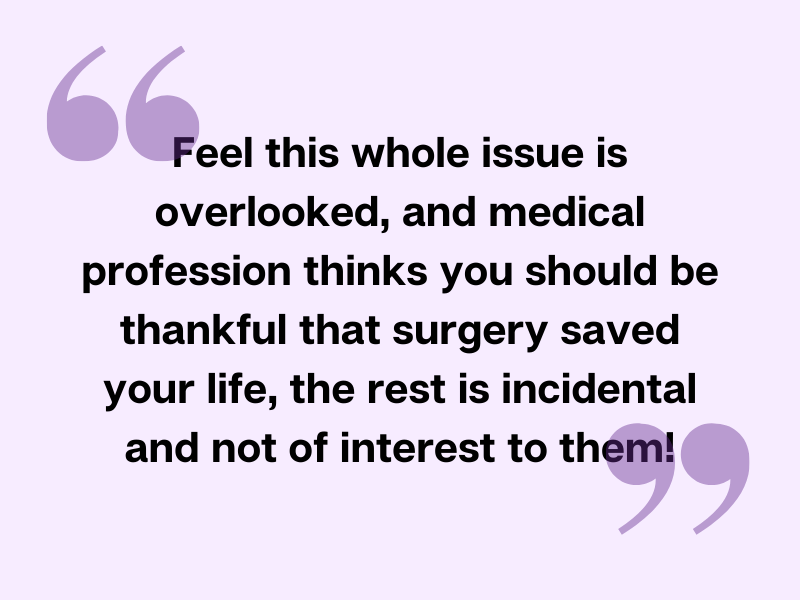
It can be a challenge to find the support you need. Even though sexual issues for cervical cancer patients are common, healthcare providers often don’t address them with patients. One study that found that only about 45% of all cancer patients had a conversation with their health care provider about sex—and men were much more likely to have the conversation than women. Our survey findings mirror the general findings of the study—45% of respondents said that they had successfully discussed these problems with sex and intimacy with a provider.
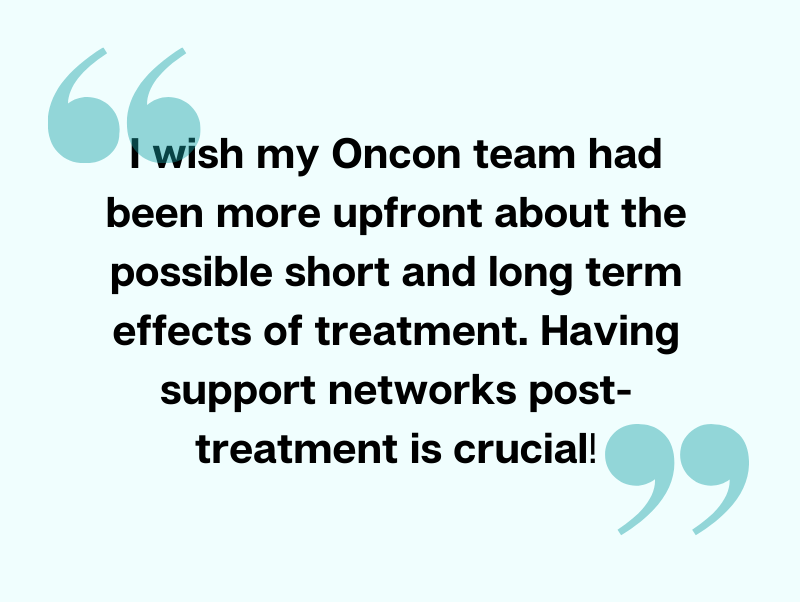
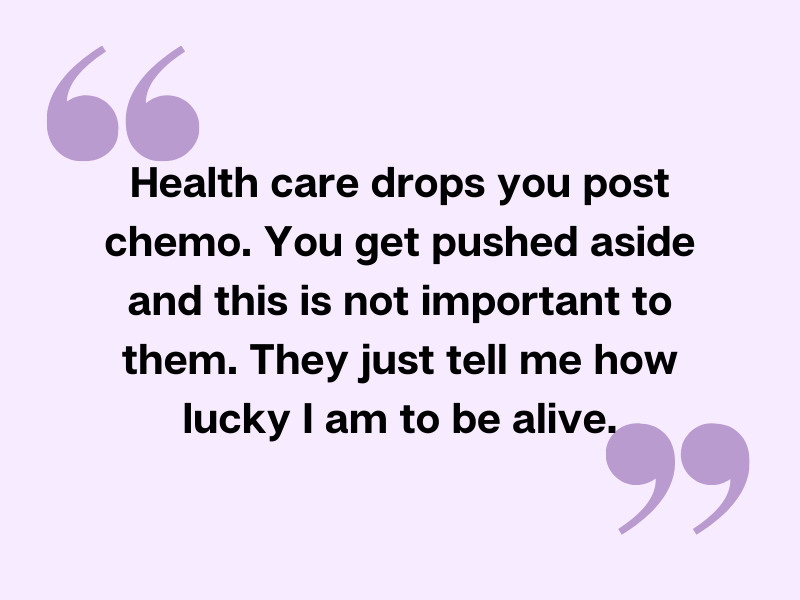
So more than half of cancer patients haven’t been able to get the support and information they need from a provider. The quotes below from respondents to our survey make clear that many patients struggle to have their concerns heard by their providers.

If your provider isn’t addressing your sexual health, keep looking! There are providers out there who will listen to your concerns and help find solutions. You can start with other providers on your care team—oncologists, nurses, social workers, and therapists all may be of help. But there are other ways to find resources:
See more from our survey of cervical cancer patients and survivors—download the infographic with survey results and links to resources that can help deal with sexual health challenges after cancer.